Showing posts with label Healthy Foods. Show all posts

Monday, 2 July 2018

Health Benefits of Soy Milk

Soy milk is a popular dairy alternative in the West, and it has long been a traditional beverage in China, Japan and other parts of Asia. Some people opt to drink soy milk because they are lactose intolerant or lactose sensitive, while others drink it for ethical reasons (such as an interest in animal welfare or in reducing your environmental footprint by eating lower on the food chain) or health reasons (such as wanting to reduce cholesterol intake or eat lower on the food chain).
The health benefits of soy milk are controversial, in part because (like milk) soy is a common food allergen. However, it is generally accepted that soy milk is a healthy alternative to cow's milk and many believe that soy milk is healthier than dairy milk.

Fat, Cholesterol and Protein in Soy Milk vs. Cow's Milk

In large part due to the milk industry's ad campaigns about how healthy milk is, many people wrongly assume that all milk is healthy. However, only low-fat and fat-free milk are accepted as 'healthy' by the medical community.
Unlike cow's milk, soy milk is naturally low in fat. Regular-fat soy milk contains slightly more fat per cup than 2% milk, but it is naturally free from saturated fat (which is considered to be more unhealthy than unsaturated fat). (More on fat contents in milk)
Because it is made from plant material instead of an animal byproduct, soy milk contains no cholesterol. Dairy milk contains about 20 milligrams of cholesterol per cup. An adult's recommended daily allowance of cholesterol is 300 milligrams, though many Americans consume far more, and many people with high cholesterol or some types of heart problems are better off consuming well below the usual RDA of cholesterol.
Soy milk is also high in protein. One cup of soy milk contains about seven to ten grams of protein. This is similar to cow's milk, which contains eight grams of protein per cup. Although some sources say that soy protein in soy milk is undigestible or an incomplete protein, this is not true. Soy milk protein is a complete protein and is highly digestible.

Health Benefits of Fortified vs. Unfortified Soy Milk

When used as a cow's milk replacement, unfortified soy milk is lacking in calcium and B vitamins (especially vitamin B12). For this reason, many soy milk brands on the market are fortified with calcium and B vitamins, as well as vitamins E and D.

Soy Milk and Calcium

One of the main drawbacks of soy milk as a milk replacement is its lower level of calcium. Unfortified soy milk contains about one-fourth the amount of calcium in milk. Fortified soy milk is often comparable to cow's milk in its calcium levels, but some studies show that fortified calcium may not be as healthful as naturally occurring calcium.
For vegans and people who are lactose intolerant, the issue of calcium should be addressed through a more comprehensive dietary plan involving alternate sources of calcium (such as almonds, beans, leafy greens and, for people who are not vegan, sardines). For people who use soy milk as a healthy source of isoflavones but who do not object to dairy in their diets, calcium is also available from cheese, yogurt and other dairy products.

Hormones in Soy Milk vs. Cow's Milk

As with dairy milk, there is some controversy over the hormones in soy milk. Cow milk naturally contains estrogen and progesterone. Cows are milked throughout pregnancy in the United States, and their hormone levels peak near the end of their term. Some studies have linked the consumption of cow's milk with various types of cancer and early sexual puberty. Additionally, cows in the U.S. are sometimes treated with rBST or rBGH, types of controversial growth hormones that studies have linked to various cancers.
Soy milk naturally contains isoflavones. Isoflavones act in a manner similar to the hormone estrogen (but are not actually estrogen). They are phytoestrogens or plant-derived compounds with 'estrogenic activity.' Some studies have linked high consumption of these compounds with reduced or increased chances of breast cancer, but there is no conclusive evidence either way. The consumption of abnormally high levels of isoflavones is questionable, but regular consumption of soy milk and other sources of isoflavones is considered to be healthy.

Thursday, 2 July 2015

Health Benefits of Whole Grains

Scientific studies followed by clinical trials have established a strong link between diet and health. Changing lifestyle has modified dietary pattern of community at large. Consumption of junk and processed foods is the primary cause of diet-linked diseases. According to recent estimates of WHO, about 47 % of the total deaths are attributed to non-communicable diseases. Among them, cardiovascular diseases are leading cause of mortality (25%) in developing countries like Pakistan followed by cancer, arthritis and diabetes coupled with a few minor but complicated health problems like constipation. With time, the emphasis of consumer have been greatly shifted from merely satisfying hunger to the potential use of food for health promotion. The main drivers of this change are advancements in the knowledge of nutrition and rising public awareness about healthier food choices. The tenet "Let food be the medicine and medicine be the food," was coined by Hippocrates nearly 2,500 years ago. With ever increasing awareness about healthful foods, this doctrine of Hippocrates is getting more and more relevant in recent era. The use of whole grains is of paramount importance in this regard to address a number of diet related ailments effectively, economically and above all, naturally.

Cereal grains are the dietary staples worldwide as well as in Pakistan providing long term and economic availability of nearly all nutrients required for normal growth and development. The majority of these nutrients is concentrated in the outer portion of the grain, called the bran, which is lost during milling along with these valuable nutrients, including fiber, iron, zinc, vitamin B, vitamin E and certain antioxidants. Therefore, the use of whole grains is imperative to enrich our diets with these valuable components and thus utilizing the true potential of cereal grains.

Whole grains, as per definition, are “intact, ground, cracked or flaked fruit of the grain whose principal components, the starchy endosperm, germ and bran, are present in the same relative proportions as they exist in the intact grain”. To be categorized as “whole grain food” a processed and reconstituted food must deliver the same amount of germ, endosperm and bran as present in the original unprocessed grains. Commonly consumed whole grains are brown rice, oats, barley, whole corn, whole wheat, whole rye, sorghum, millet and wild rice.

Whole grains have been reported to help against various diet related ailments, including diabetes, cardiovascular disorders, obesity and weight gain, certain type of cancers, arthritis and gastrointestinal problems. Epidemiological studies have consistently proven that whole grain consumption is positively linked to decreased incidence of heart diseases. Though, dietary fiber is considered to be the key component responsible to reduce the risk of type-II diabetes and cardiovascular diseases, however, various scientific studies have proven a stronger impact of whole grain consumption on CVDs risk reduction as compared to the impact of dietary fiber alone. This indicates a synergistic impact of various bioactive components of whole grain in addressing the diet-linked ailments. A recent meta-analysis of seven studies estimated 21% reduction in risks of CVDs with increased consumption of whole grains (3 servings per day). Thus, increased and sustained consumption of whole grains is imperative to counter 25% deaths attributable to CVDs. 

Diabetes is one of the most prevalent diseases in our community characterized by high blood glucose levels. According to recent estimates, Pakistan is considered to have 7th largest population of diabetics. Due to slower digestibility, whole grains are indorsed to affect blood glucose and insulin responses positively. Since whole grain bread results in a smaller rise in blood glucose levels as compared to white bread in type II diabetes patients, it is recognized as an intelligent choice. A massive study conducted on 90,000 women and 45,000 men suggested that those with higher intake of whole grains and cereal fiber had about 30% less chance to develop type II diabetes. Therefore, consumption of whole grains should be encouraged to combat the growing menace of diabetics.

Weight regulation is another important aspect in disease management. Consumption of whole grains and whole grain foods is associated with lower risks of obesity and weight gain, resultantly helpful in reducing obesity-related health issues. Less weight gain has been observed in the individuals consuming whole grains in their daily diet in several clinical trials, especially in middle-age women. Similar results have been reported for waist to hip ratio.

There are substantial scientific evidences supporting the role of whole grain against the onset of cancer. Several components of whole gains including dietary fiber, vitamin E, selenium and some anti-nutritional factors are associated with lower cancer risks through different mechanisms.

Gastrointestinal health is associated with a number of factors like age, genetics, environment, diet & lifestyle and is characterized by efficient digestion, optimum gut immune responses, absence of inflammation and diseases. Gastrointestinal diseases have considerably risen over the last two decades, mainly due to increased consumption of refined and junk foods. These diseases lead to a number of other health problems and consequently increase the disease burden on our already crumbling health care system. Colorectal cancer is considered as 4th most common type of cancer. Clinical evidences have shown reduction in gastrointestinal ailments with increased consumption of whole grain cereal products. Whole grains are a good source of many dietary components which are reported to improve gastrointestinal health, including phytochemicals, resistant starches, oligosaccharides, antioxidants, vitamins, minerals and dietary fiber. Thus, the use of whole grains is suggested to address gastrointestinal problems efficiently by improving overall gut health.

Conclusively, whole grains are an excellent dietary choice to be incorporated in daily diet to avoid a number of diet linked health problems and to improve overall health status owing to their valuable nutritional profile. Most of these protective components are found in bran and germ which is lost during milling. Therefore, whole grains must be incorporated in one’s daily diet to cope with a number of non-communicable diseases. At least three servings of whole grains coupled with a diet rich in fruits & vegetables while low in refined sugar and saturated fat are recommended to maintain a good health. The optimal use of whole grains should be encouraged to derive health benefits associated with them and decrease the mortality due to diet linked disease.

Sunday, 28 June 2015

Health Benefits of Yogurt


Yogurt is a calcium powerhouse and a source of high-quality protein. Yogurt is nutrient rich because it is an excellent source of vitamins and minerals for its calories!
The nutritional and caloric contents of yogurt are similar to those of the fluid milk from which it is made. So, it is an important source of calcium, protein, vitamins A, riboflavin, phosphorus and potassium.  In fact, one serving of yogurt contains about as much potassium as a banana (around 400 mg).
Following are some important benefits of yogurt

1. Aid in digestion
Yogurt is made by bacterial fermentation of milk, a process that may boost digestive health because it produces the same good bacteria found in the gut. Plus, some yogurt contains additional good bacteria known as probiotics. MayoClinic.com reports that probiotics may help with digestion and irritable bowel syndrome, as well as diarrhea following treatment with antibiotics, which kill off both good and bad bacteria

2. Source of Vitamins
One serving is a significant source of potassium, phosphorous, riboflavin, iodine, zinc, and vitamin B5 (pantothenic acid). Yogurt also contains B12, which maintains red blood cells and helps keep your nervous system functioning properly. "Vitamin B12 is found mostly in animal products, such as chicken and fish, so strict vegetarians can easily fall short.

3. Help against weak bones and osteoprosis
Yoghurt provides calcium to help maintain bone density and strength throughout life. "Low fat yoghurt is a great source of calcium which we need for strong bones," according to food coach and dietitian Sasha Watkins.
BDA spokesperson Rebecca Dunn says: "Adults require 700mg of calcium per day and one standard pot (150g) of yoghurt will provide a third of this. Calcium is important at all ages, as it promotes healthy teeth and bones and prevents diseases such as osteoporosis."
Osteoporosis is a disease that causes the bones in our body to become fragile and prone to breaking. The National Osteoporosis Society says it's important to have a well balanced calcium rich diet to provide all the nutrients your bones need, and to make sure you get enough vitamin D.
4. Provide "Good Bacteria"
he words "live and active cultures" on the container mean that your yogurt has probiotics, beneficial bugs that live in your digestive tract and help crowd out harmful microorganisms that can cause intestinal infections. (Only a very small number of companies put yogurt through a post-pasteurization process that kills off all bacteria). But many varieties now also contain special strains of probiotics meant to help regulate your digestion or strengthen your immune system.
5. Help in Lactose intolerance
Although the lactose content of yogurt is naturally lower than milk, research has shown that the lactose that is present in yogurt is better tolerated by individuals with low production of lactase (hypolactasia) than lactose in an equivalent quantity in milk.
This may be due to several factors including the activity of live bacteria in the yogurt or the digestive action of other enzymes on lactose such as bacterial β-galactosidase. The increased viscosity of yogurt compared with milk has also been suggested as a potential explanation, as this may result in slower emptying from the stomach and thus a longer transit through the gastrointestinal tract, which in turn may improve the absorption and reduce the amount of lactose present in the colon.

Friday, 26 June 2015

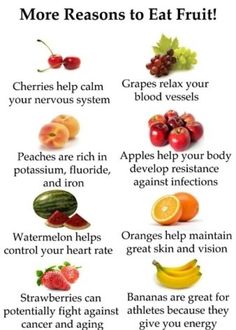
Why To Eat Fruits?


Fruit has been recognized as a good source of vitamins and minerals, and for their role in preventing vitamin C and vitamin A deficiencies. People who eat fruit as part of an overall healthy diet generally have a reduced risk of chronic diseases. USDA's MyPlate encourages making half your plate fruits and vegetables for healthy eating.
Fruit are important sources of many nutrients, including potassium, fiber, vitamin C and folate (folic acid). Try incorporating blueberries, citrus fruit, cranberriesor strawberries which contain phytochemicals that are being studied for added health benefits.
Following are some important benefits of fruits

Fruit consists for the largest part of water
Just like the human body does. If you think about it, it's logical to consume food that contains as much water as your body does
Fruit Is 100% Bad-Cholesterol Free 
No doubt about this reason. Too much cholesterol is not good for our bodies and fruit doesn't contain much cholesterol. Animal products like meat and dairy contain a lot of cholesterol.
The Miraculous Healing Effects Of Fruit 
Spectacular stories about people that cured from cancer by a strict diet of raw fruits and/or vegetables are well known but do we want tobelieve them? We still don't know that much about fruit and its contents
Fibers
We do know now that a diet with plenty of fibers helps against corpulence, high blood pressure, and other factors that increase the chance for a heart disease. The food that contains these healthy (natural) fibers is.... right: FRUIT!
Fruit is not expensive at all 
Did you always think that fruit is an expensive product? Take a good look at how much money you spend on other food. It could be worth something to replace some of those expenses with fruit.


Monday, 3 June 2013

Fat Burning Foods


Almonds and other nuts (with skins intact)
Build muscle, reduce cravings
Dairy products (fat-free or low-fat milk, yogurt, cheese)
Build strong bones, fire up weight loss
Eggs
Build muscle, burn fat
Turkey and other lean meats
Build muscle, strengthen immune system
Berries
Improve satiety, prevent cravings
Enova oil (soy and canola oil)
Promotes fullness, not easily stored as fat
Peanut butter 
Boosts testosterone (a good thing even in women), builds muscle, burns fat
Fatty fish (such as salmon, tuna, mackerel)
Trigger fullness, fire up fat burning
Grapefruit
Lowers insulin, regulates blood sugar and metabolism; be sure to eat the fleshy white membranes
Green tea
Fires up fat burning
Chili peppers
Spikes metabolism
Spinach and green vegetables
Fight free radicals and improve recovery for better muscle building
Whole grains (quinoa, brown rice, whole grain cereal)
Small doses prevent body from storing fat
Beans and legumes
Build muscle, help burn fat, regulate digestion
Whey
Builds muscle, burns fat


Sunday, 2 June 2013

How Green Tea Can Help You To Fight Against Heart Diseases

A cup of green tea a day could help keep your heart healthy, a study shows.
The drink was found to widen the artery which runs from the shoulder to the elbow by 4 per cent within 30 minutes - reducing the risk of blood clots. 
This is a good indicator of improved blood flow around the body, says a report in the European Journal of Cardiovascular Prevention and Rehabilitation. It is the first time green tea has been shown to have a short-term beneficial effect on the large arteries.
Dr Nikolaos Alexopoulos and colleagues at the 1st Cardiology Department, Athens Medical School, used ultrasound scanning to measure the performance of the brachial artery - which runs from the shoulder to the elbow, and is a good indicator of blood flow around the body.
A team of healthy volunteers were given green tea, caffeine or hot water to drink on three separate occasions. Measurements of the brachial artery were taken at three stages after they drank their beverage.
The researchers found the artery expanded by four per cent 30 minutes after volunteers drank green tea. Caffeine or hot water had no effect.
Dilation of the artery shows better functioning of the endothelium, the layer of cells lining blood arteries that stops clots forming.
Previous research suggests black tea improves short and long-term endothelial performance, but this is the first time green tea has been shown to have a short-term beneficial effect on the large arteries. 
Another study has already shown that green tea reverses endothelial dysfunction in smokers.
Green tea is traditionally consumed in China and Japan and differs from black tea in that it is not fermented before drying.
This fermentation process appears to reduce the content of flavonoids - beneficial antioxidants - by up to 90 per cent, which is why green tea is believed to offer different health benefits to black tea.
Researcher Dr Charalambos Vlachopoulos said 'These findings have important clinical implications. Tea consumption has been associated with reduced cardiovascular morbidity and mortality in several studies. 
'Green tea is consumed less in the Western world than black tea, but it could be more beneficial because of the way it seems to improve endothelial function. 
'Recent studies have also shown potent anticarcinogenic effects of green tea, attributed to its antioxidant properties.'
Other research shows drinking green tea lowers 'bad' cholesterol and blood pressure, and reduces harmful liver enzymes.
Drinking green tea could help stave off cancer, with a study showing just four cups of green tea a day reverses cell damage in heavy smokers that might lead to the development of tumours.
Lynne Garton a member of the industry-backed Tea Advisory Panel and a nutritionist, said 'This exciting piece of research takes us one step further in understanding the role of flavonoids in heart health. 
'While the focus of the study was the action of green tea on endothelial function, black
tea, as enjoyed by the majority of the UK population, has shown similar results. 
'This is not surprising as although the types of flavonoids in green tea and black tea may differ, it is thought that the amounts present in a cup are similar. 
'Evidence is now suggesting that drinking around 3 to 4 cups of tea a day (with or without milk) may help reduce the risk of developing heart disease and studies such as these are important in helping us understand the possible mechanisms of action. 
'As part of an overall, healthy balanced diet, this research highlights yet another good reason to drink tea.